
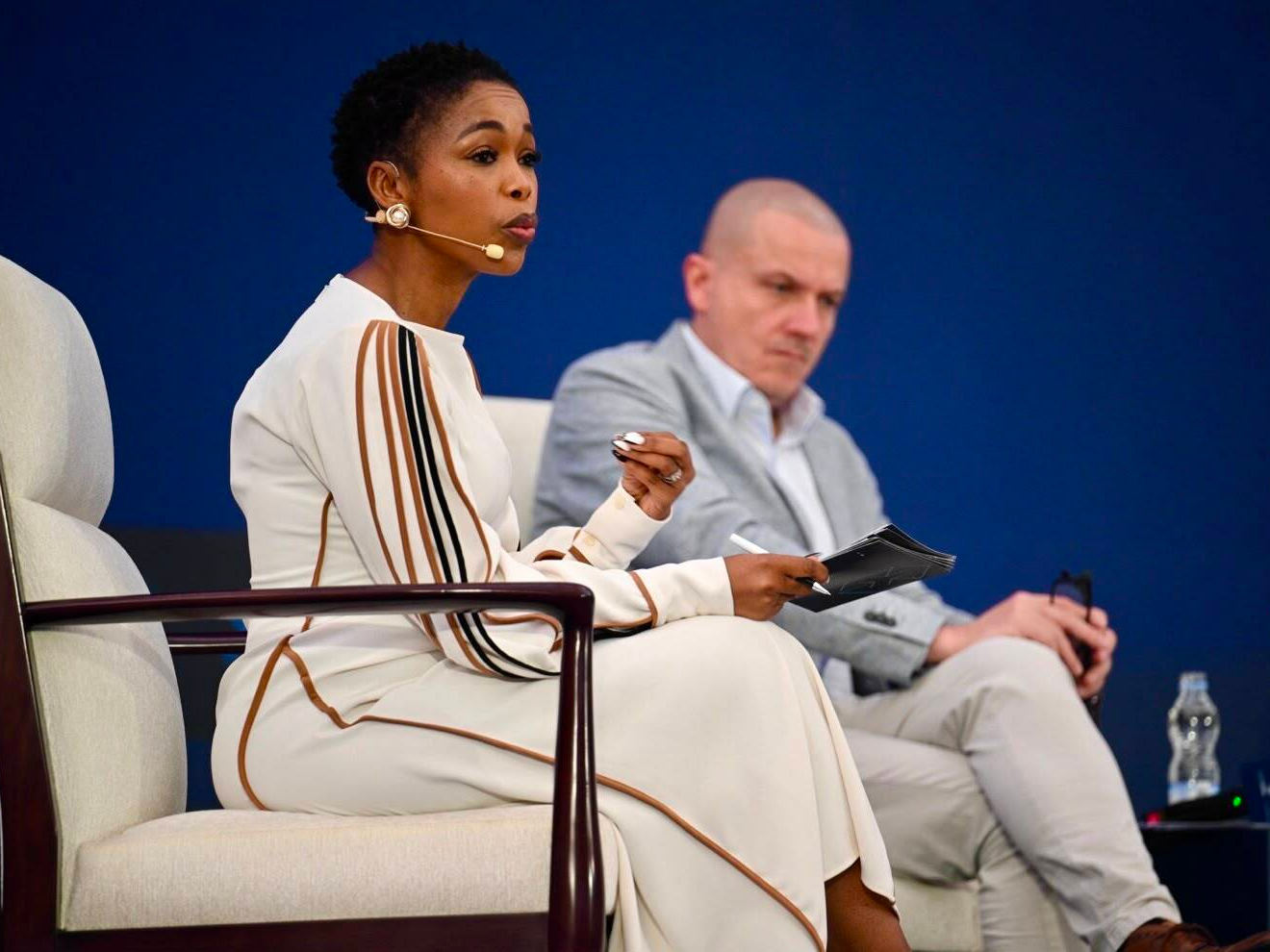
By the end of day two of WorldSkills Conference 2026, the message was clear. Advances in artificial intelligence, automation, and machine learning are providing powerful new ways to train the skilled workers that our world needs. But they must be used thoughtfully and with a human-first mindset.
Three sessions were dedicated to the topic of AI and emerging technologies throughout the day:
- Ready or not? AI’s real impact on tomorrow’s workforce
- AI, skills, and the future of TVET
- AI-powered skills assessment: Redefining the future of TVET
Over the course of the discussions, two critical questions kept emerging: how can AI improve skills training, and how can skilled workers be trained to use AI effectively? With digital innovation advancing at such a rapid rate, Dion Smith, EVP Global Partner Ecosystem at Siemens, articulated the challenge: “The technology is there and evolving. The gap is actually workforce readiness.”
Shweta Ratanpura, WorldSkills Champions Trust Representative for Asia, said that young people are actively embracing AI and want to be trained to use it better, more effectively, and more ethically. She said, “Youth is not scared of new tech. We are not scared of upskilling ourselves. What we need is your support. We need good governmental policies, and a good industrial ecosystem.”
Oliver Niese, Senior Vice President AI, Digitalization, Education, Festo Group, suggested that investment and resources need to be channelled into education so that teachers, trainers, and curricula can keep up with the pace of change. He said, “Are training systems and teachers prepared? The short answer is no. If you use AI, you need to understand how it works, and you need to understand its limitations.”
David Treat, Chief Technology Officer at Pearson, said that using AI to side-step the hard work of learning is not the answer. He explained, “There is a clear pattern emerging. If you are using AI as an answer engine, you’re not engaging the brain in the struggle that learning requires. That’s when AI impedes the learning process. But if you use AI as a method of asking the questions, not giving the answers, it dramatically improves learning.”
Used in this way, AI could open the door to more inclusive skills training. Narmeen Almarzooqi, WorldSkills Champions Trust Representative for the Middle East and North Africa, shared her experience of using AI to translate her written course books into more visual tools. She suggested that AI is already being used to adapt skills training into different languages and formats, making it easier to bring high-quality Technical and Vocational Education and Training to underserved communities and countries.
Several panellists pointed out that humans need to be at the start and the end of AI-enabled learning. Yi Guo, Vice President APAC for Refinish Coatings at Surventis, suggested that AI’s true value depends on the data that humans give it, and the decisions it helps them to make.
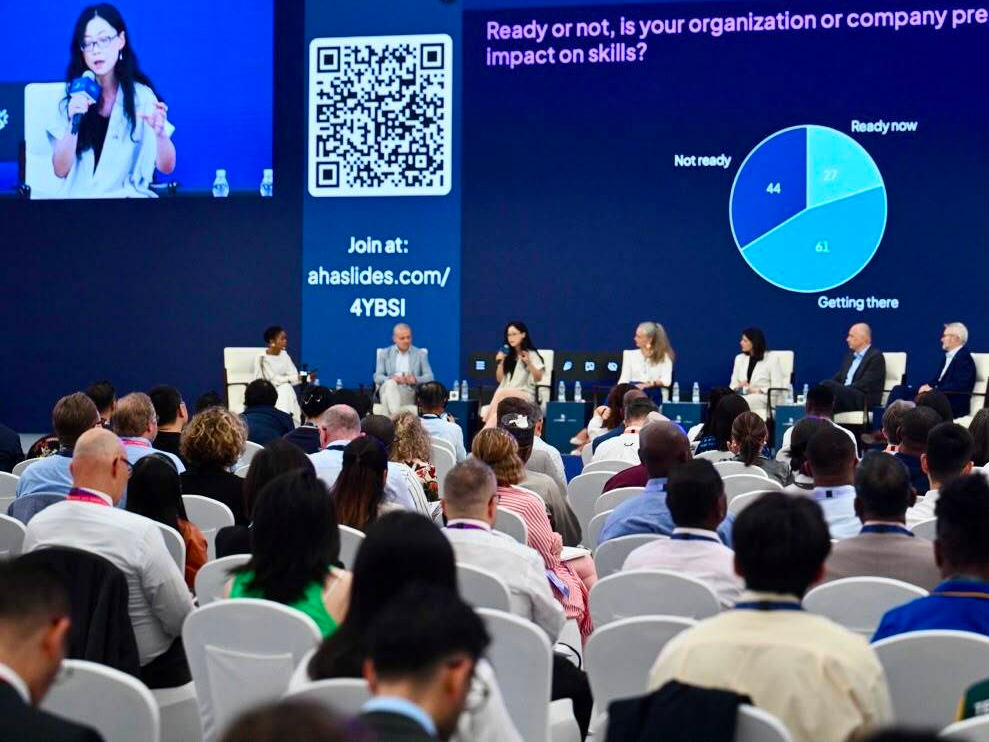
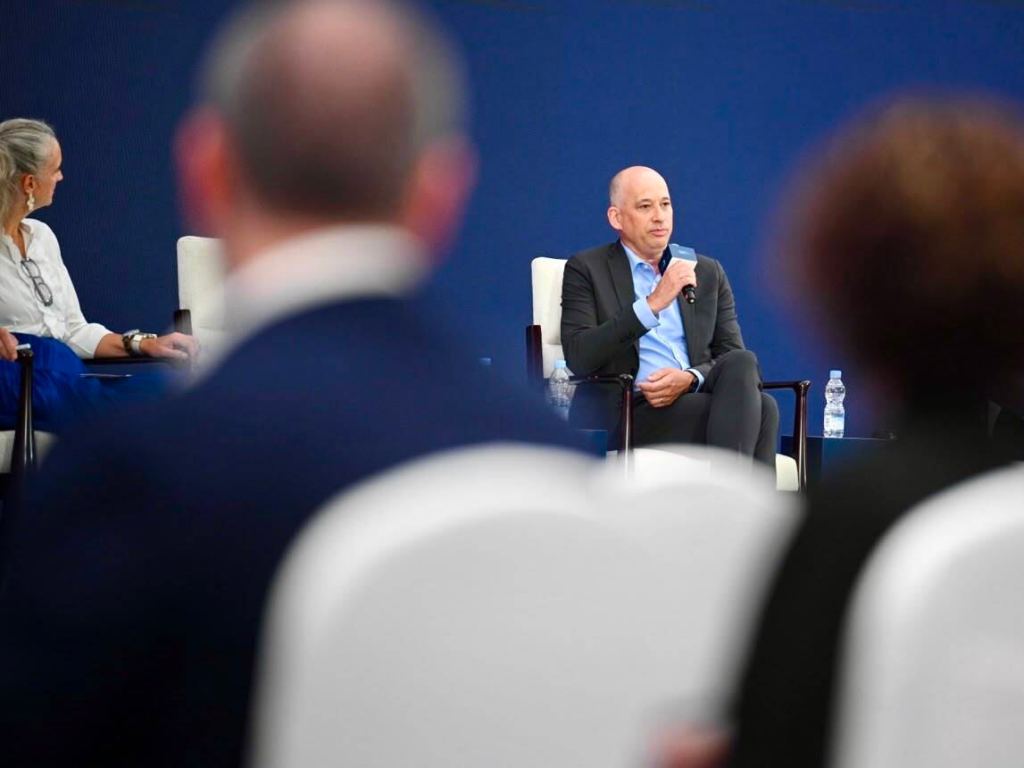
She gave the example of how Surventis has used AI to improve the exacting task of paint-matching, saying, “We are not using AI to make decisions for us. AI helps us make those decisions better. At the end of the day, human beings have to take accountability for the decisions that we make.”
Bettina Schaller is Head of Group Public Affairs at the Adecco Group and chairs Adecco’s Responsible AI Committee. She agreed with Ms Guo. She described how agentic AI is helping to speed up Adecco’s hiring process and improve the experience for candidates and employers. However, when it came to appointing a candidate, she said, “Never, ever will the algorithm make the decision whether a person is hired or not in our system. The actual decision-making needs to stay with the humans.”
Many panellists highlighted the potential of these emerging technologies to improve accuracy and quality control. Elsewhere in the NECC, 1,400 Competitors are being assessed by teams of Experts with specialist knowledge of their skill. AI and data analytics could offer new ways to make WorldSkills Competition assessments even more precise, consistent, and transparent. They could measure competencies more accurately and spot patterns in marking, which would help ensure that every Competitor is judged fairly. In turn, this could help Competitors and Experts raise standards of skills excellence even further.
This idea was showcased at the Conference when East China Normal University and Shanghai Artificial Intelligence Laboratory demonstrated a new approach. Their system combines AI with rubrics developed by experts and teachers to help make assessments more objective.
These discussions have been timely in a week when the WorldSkills community approve Vision 2035, its roadmap for the next decade. Within the strategic plan, WorldSkills states that it intends to “leverage AI and other emerging technologies to advance skill development, enhance assessment methodologies, and elevate how skills are tested and validated.”
David Hoey, CEO of WorldSkills International, said, “AI is already here. The world has changed. It is vital we meet this moment with the resolve it requires. When people are equipped with curiosity, adaptability, and the confidence to work alongside new technology, they go far beyond keeping up with change. They help shape it.”
Read more about Vision 2035 and catch the latest news from the Conference.